10 Best reasons to use hangboard
Why you are using a fingerboard for climbing practice?
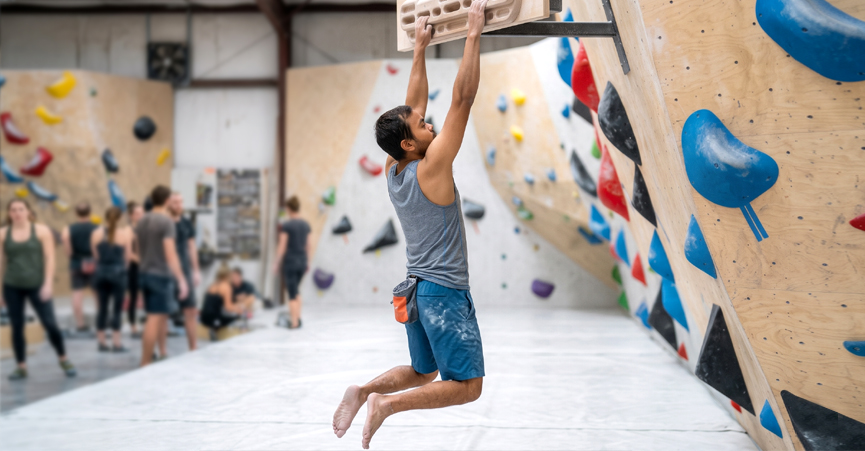
If you are serious about climbing, you already know that technique alone is not enough. Strength matters. More specifically, finger strength can completely change how you perform on the wall. That's exactly why so many climbers add a fingerboard for climbing to their routine.
Whether you're training at home, in a gym, or outdoors, climbing hangboards have become one of the most effective tools for building raw finger power. Let's break down the real reasons why using one might be the smartest move for your climbing progress.
1. It builds serious finger strength
This is the most obvious reason, but it deserves the top spot.
A fingerboard for climbing directly targets the small muscles, tendons, and ligaments in your fingers and forearms. These are the exact areas that determine whether you can hold onto tiny edges or slip off halfway through a route.
Unlike general workouts, finger strength training equipment isolates what climbers truly need. Over time, this translates into stronger crimping, open-hand strength, and better pocket control.
2. You can train without climbing every day
Climbing daily is not always practical. Weather, time, gym access, or recovery can limit you. A climbing training board allows you to train at home in short, focused sessions.
Even 20 minutes on a portable hangboard can deliver meaningful strength gains. This makes it perfect for busy schedules.
Consistency is what improves performance, and having access to your own climbing hangboards makes that possible.
3. It improves grip endurance
Strength is one thing. Endurance is another.
Long routes demand sustained grip control. Hangboard training helps condition your fingers to hold tension longer without burning out. Structured repeaters and timed hangs build the type of endurance that outdoor climbers need on sport routes and trad lines.
Used correctly, it becomes more than just a grip strength trainer. It becomes a performance builder.
4. You gain confidence on small holds
There’s nothing more frustrating than hesitating on small crimps because you don’t trust your fingers.
When you regularly train on a fingerboard for climbing, tiny holds stop feeling intimidating. You develop confidence in your grip. That confidence alone can improve your mental game during tough climbs.
And climbing is as much mental as it is physical.
5. It supports injury prevention when used properly
Many climbers think hangboards cause injuries. In reality, poor programming causes injuries.
Progressive loading with proper rest strengthens tendons and connective tissue. That reduces the likelihood of sudden strain when you encounter sharp holds outdoors.
Compared to randomly overloading your fingers on hard routes, structured sessions on climbing hangboards provide controlled stress. That control matters.
6. Portable options let you train anywhere
One major advantage today is the availability of the portable hangboard.
Traveling?
Living in a small apartment?
No access to a climbing gym?
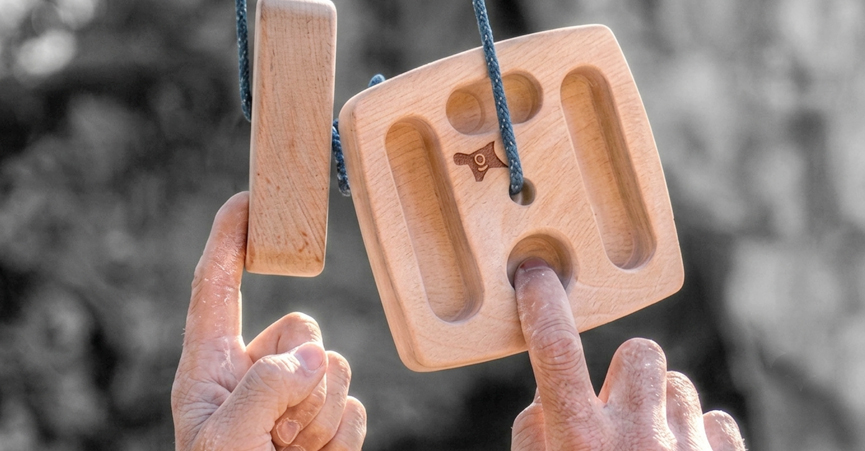
A lightweight portable hangboard can be mounted on a door frame or used with resistance bands outdoors. It fits easily in a backpack, which makes it practical for climbers who are always on the move.
For traveling athletes, it’s one of the most useful pieces of rock climbing gear you can own.
7. It complements your regular climbing sessions
A climbing training board does not replace actual climbing. It enhances it.
Think of it as strength conditioning. When you return to the wall after several weeks of structured fingerboard sessions, you’ll notice:
• Stronger lock-offs
• Better control on overhangs
• More stability on dynamic moves
It pairs extremely well with other bouldering training tools like campus boards or system walls.
8. You can track measurable progress
One of the best things about using finger strength training equipment is that it’s measurable.
You can track:
• Hang duration
• Added weight
• Edge depth
• Number of sets
This gives you data. And data keeps you motivated.
When you see yourself adding extra weight to your climbing hangboards over time, it’s clear proof that you’re improving.
9. It strengthens mind-muscle connection
Fingerboard sessions are controlled and intentional. There’s no rushing between holds. You focus on grip position, shoulder engagement, and body tension.
That awareness improves your overall climbing technique. You become more conscious of how you load your fingers and distribute weight.
Over time, that control shows up during real climbs.
10. It’s one of the most cost-effective training tools
Compared to expensive gym memberships or high-end training machines, a fingerboard for climbing is affordable and durable.
✓ It requires minimal space.
✓ It lasts for years.
✓ It delivers serious results.
Among all types of rock climbing gear, few tools offer this much long-term value.
How to use a hangboard the right way
To get the most from your climbing training board:
• Warm up properly before hanging
• Start with larger edges
• Use bodyweight before adding resistance
• Rest adequately between sessions
• Avoid training if you feel tendon pain
Finger strength improves gradually. Rushing the process is never worth it.
Final thoughts
If you want to climb harder routes, hold smaller edges, and feel stronger on overhangs, training your fingers is not optional. It’s essential.
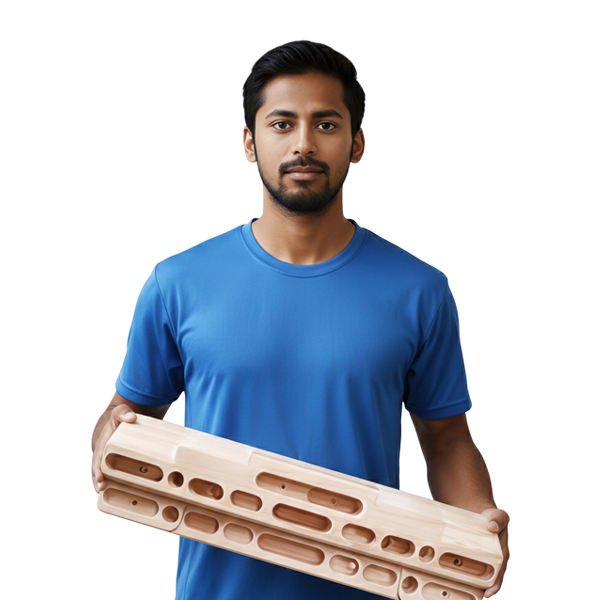
That’s why serious climbers invest in climbing hangboards and structured fingerboard workouts. Whether you choose a fixed setup at home or a portable hangboard for travel, the results speak for themselves.
Used correctly, a fingerboard for climbing becomes more than just finger strength training equipment. It becomes the foundation of your progress.
And once your fingers get stronger, everything on the wall starts to feel different.
February 22, 2026 | By Admin
Comments
Anuj AdkarLoved the tips! This guide makes fingerboard training easy to understand and implement, from grip strength to injury prevention. Could you also share an article on sport climbing first aid?
Sure we will.